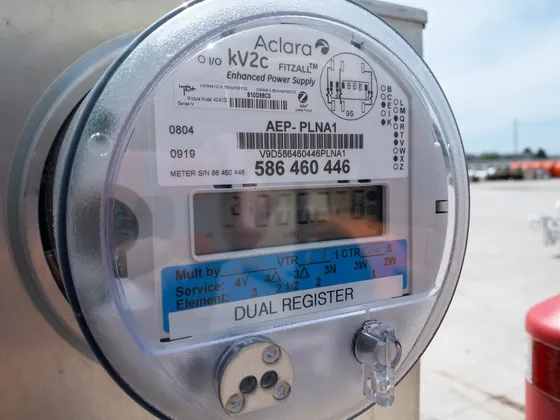



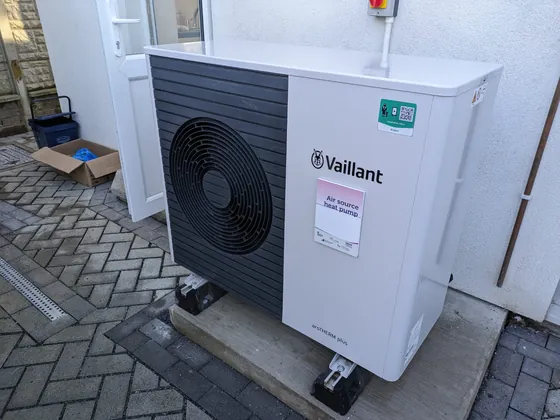
Field equipment
Serial, Ethernet, Wi-Fi, P1 / HAN or a dry contact.
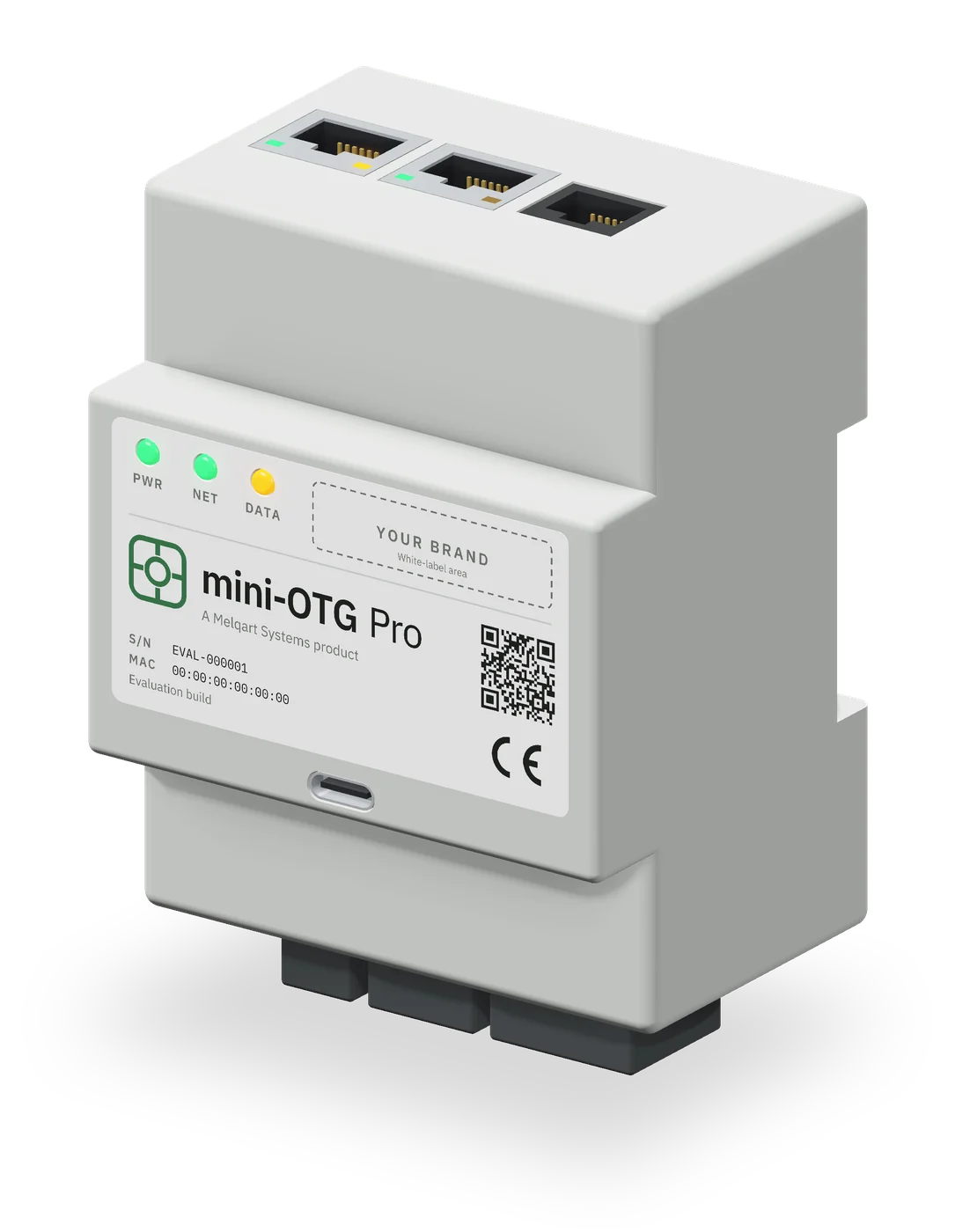
mini-OTG, a Melqart Systems product, sits in the meter cabinet and reads smart meters, EV chargers, solar inverters, batteries and heat pumps over P1, Modbus, OCPP, EEBUS and SG Ready. It sends the data straight to your cloud over MQTTS, WebSocket or HTTPS. Nothing passes through a platform of ours, so the data, the customer and the control stay with you.
Development programme · controlled evaluations · production certification pending
Field to cloud
A meter from one vendor, a charger from another, an inverter older than both. mini-OTG handles each interface locally and sends you one consistent stream.
There is no mini-OTG cloud in the middle. An installer opens the local web server, picks the equipment profile, maps the values you need, and types in your MQTTS, WebSocket or HTTPS endpoint.
Serial, Ethernet, Wi-Fi, P1 / HAN or a dry contact.
Reads it, normalizes it, holds it when the link drops.
Your broker, your credentials, your schema.
No. Field data goes to your own MQTTS broker, secure WebSocket, HTTPS API or another endpoint you configure on the gateway. There is no mandatory mini-OTG measurement-data cloud in the operating path. Optional device-health or firmware services, if offered later, stay separate from your measurement and control data.
A Melqart Systems white-label multi-protocol edge gateway, offered as the mini-OTG Pro development platform for design-partner evaluations. Final production configuration, certification, price and availability remain subject to validation.
Smart meters, EV chargers, solar inverters, battery storage and heat-pump or HVAC equipment. We confirm compatibility only for the models, firmware and profiles actually tested in the evaluation.
Yes, where the connected device and the qualified profile support the control function you need. We confirm that per device during the evaluation.
That is the intended B2B model: hardware identity, local setup screens, equipment profiles, endpoints, certificates, payload schemas, packaging and lifecycle support, under your brand, with data still landing in your cloud.
Put your name on the enclosure and the setup screen, ship gateways that already know where to send data, and keep the protocol work out of sight.